









Poultry farming remains one of the most accessible businesses to start in Kenya, and you do not need a fortune to begin. Some beginners kick off small ventures with as little as KES 10,000, depending on flock size.
Feed and disease control eat up most of your operational costs, so getting the basics right from day one really matters. Here is exactly what the process looks like from start to finish.
Choose Your Poultry Niche
Before you buy a single chick, decide which production line fits your local market. Each option comes with a different investment timeline and payoff.
Broilers are raised purely for meat and grow fast, reaching market readiness within five to seven weeks. This makes them a good option if you want quicker returns.
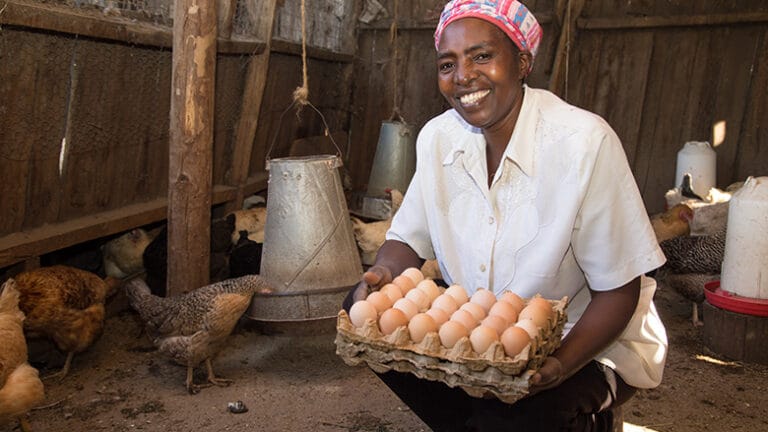
Layers are kept for commercial egg production instead. They start laying at 18 to 20 weeks but then provide steady daily income for over a year, which suits farmers thinking longer term.
Kienyeji breeds, including improved varieties like Kuroiler or Rainbow Rooster, are hardy and disease resistant. They fetch premium prices for both meat and eggs, especially from buyers looking for organic options.
Build the Right Poultry House
Your structure needs to protect the flock from predators, thieves, and harsh weather. A standard rectangular, open-sided house works well for most small to medium operations.
Orient the building east to west. This prevents direct sunlight from overheating the birds and limits how much wind and rain gets in.
Build side walls two to three feet high using bricks, timber, or iron sheets. Cover the remaining space up to the roof with secure wire mesh for ventilation.
Give each bird at least one square foot of floor space to avoid overcrowding, which can lead to cannibalism. Cover the floor with about two inches of clean, dry wood shavings.
Set Up Your Brooder Area Correctly
The brooding stage is the most fragile period in a chick’s life, so this step deserves extra attention. Build a circular brooder using cardboard to eliminate sharp corners where chicks could pile up and suffocate.
Use infrared bulbs, charcoal jikos, or gas brooders to maintain around 35 degrees Celsius during the first week. Lower the temperature by roughly two degrees each week until the chicks reach four weeks old.
As soon as chicks arrive, give them an anti-stress formulation, like glucose or chick starter, mixed into clean water. This helps replenish energy lost during transport.
Get Feeding and Nutrition Right
Feed accounts for 60 to 70 percent of your total production costs, so quality matters here. Stick to certified manufacturers like Unga Feeds, Sigma Feeds, or Pembe Feeds rather than cutting corners.
Layers need chick mash for the first three weeks, then growers mash through week six, followed by layers mash from week seven onward. Broilers follow a shorter path, moving from broiler starter to broiler finisher before reaching market weight.
Invest in proper plastic feeders and quality drinkers too. This small step prevents feed spillage and keeps your water supply free from contamination.
Enforce Strict Biosecurity and Vaccination
Disease outbreaks pose the biggest threat to your investment, often wiping out entire flocks overnight. Install a disinfectant foot-dip at the entrance of the chicken house and limit who visits your farm.
Follow the standard Kenyan vaccination schedule closely. Chicks get Marek’s Disease and Newcastle Disease vaccines on day one, followed by Gumboro doses in weeks two and three, a Fowl Pox vaccine in week four, and a Newcastle Disease boost around week eight.
Keep Detailed Records
Daily logs might feel tedious, but they tell you exactly how your farm is performing. Track feed consumption, water intake, mortality rates, vaccination dates, and egg production consistently.
These records help you spot problems early and calculate your actual profit margins accurately, rather than guessing.
Secure Buyers Before You Need Them
Do not wait until birds are ready before looking for customers. For eggs, pitch direct delivery to local kiosks, households, hotels, and supermarkets, and consider branded trays to stand out.
For meat, set up pre-sale agreements with butcheries, fast-food outlets, or open-air poultry traders ahead of time. WhatsApp delivery coordination and Facebook farmer groups can also help you reach buyers directly, cutting out expensive middlemen.
Read also:How Small Businesses in Kenya Can Build Sustainably Without Breaking the Bank
Frequently Asked Questions
How much capital do I need to start poultry farming in Kenya?
Beginners can start with as little as KES 10,000 to KES 60,000, depending on the flock size chosen.
What is the difference between broilers and layers?
Broilers are raised for meat and mature in five to seven weeks, while layers are kept for egg production and start laying at 18 to 20 weeks.
What temperature should a brooder maintain?
Keep the brooder around 35 degrees Celsius during the first week, then reduce it by about two degrees weekly until chicks reach four weeks old.
What vaccines do chicks need in Kenya?
Chicks need Marek’s and Newcastle Disease vaccines on day one, Gumboro doses in weeks two and three, Fowl Pox in week four, and a Newcastle boost around week eight.
Why is biosecurity so important in poultry farming?
Disease outbreaks can wipe out an entire flock quickly, so measures like foot-dips and limiting visitors help protect your investment.
Poultry farming in Kenya rewards farmers who take the fundamentals seriously, from housing design to vaccination timing. Skipping steps early on tends to cost far more than the time it saves.
Get your niche, housing, feeding, and biosecurity right from the start, and poultry farming can become a genuinely reliable source of income.