








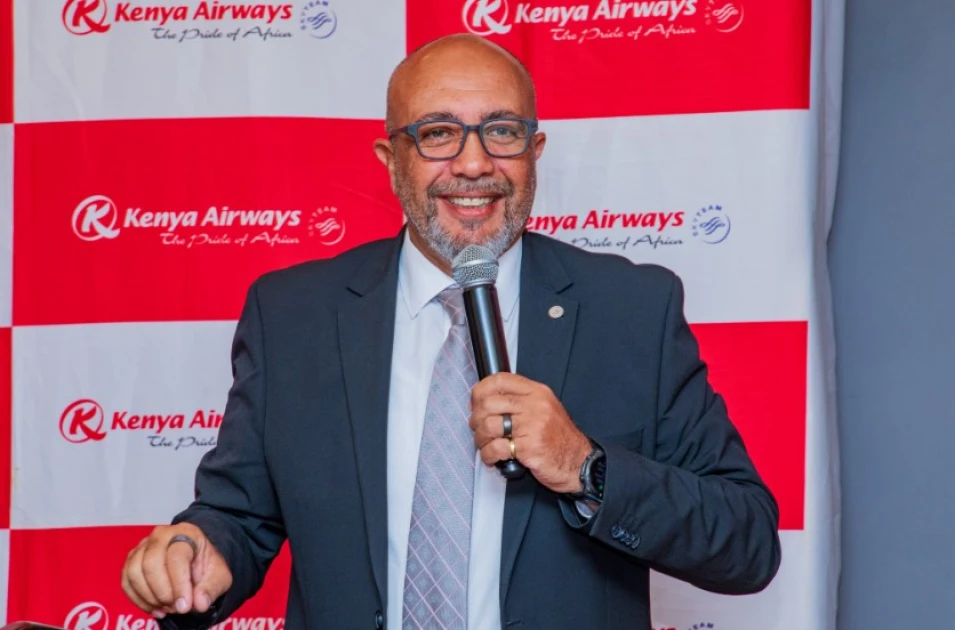
Kenya Airways acting Group Managing Director and CEO Capt. George Kamal has resigned. The board announced the decision on 1 September 2026, less than a week after the airline posted a deeper first-half loss.
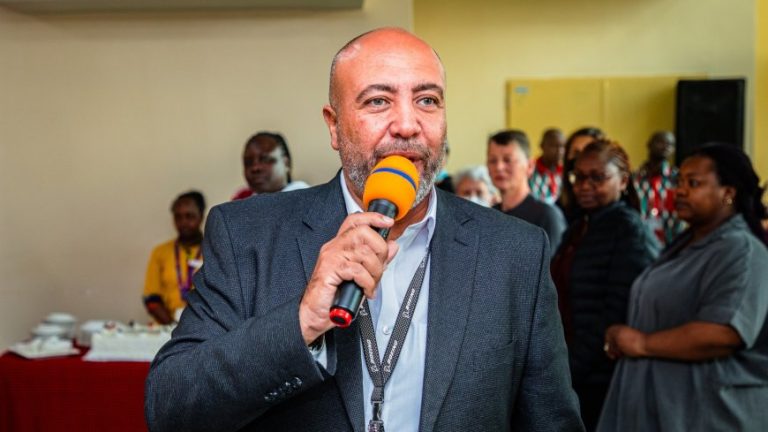
Capt. George Kamal is stepping down as Kenya Airways acting CEO. The board has appointed Company Secretary Habil Waswani as interim Group Managing Director and CEO.
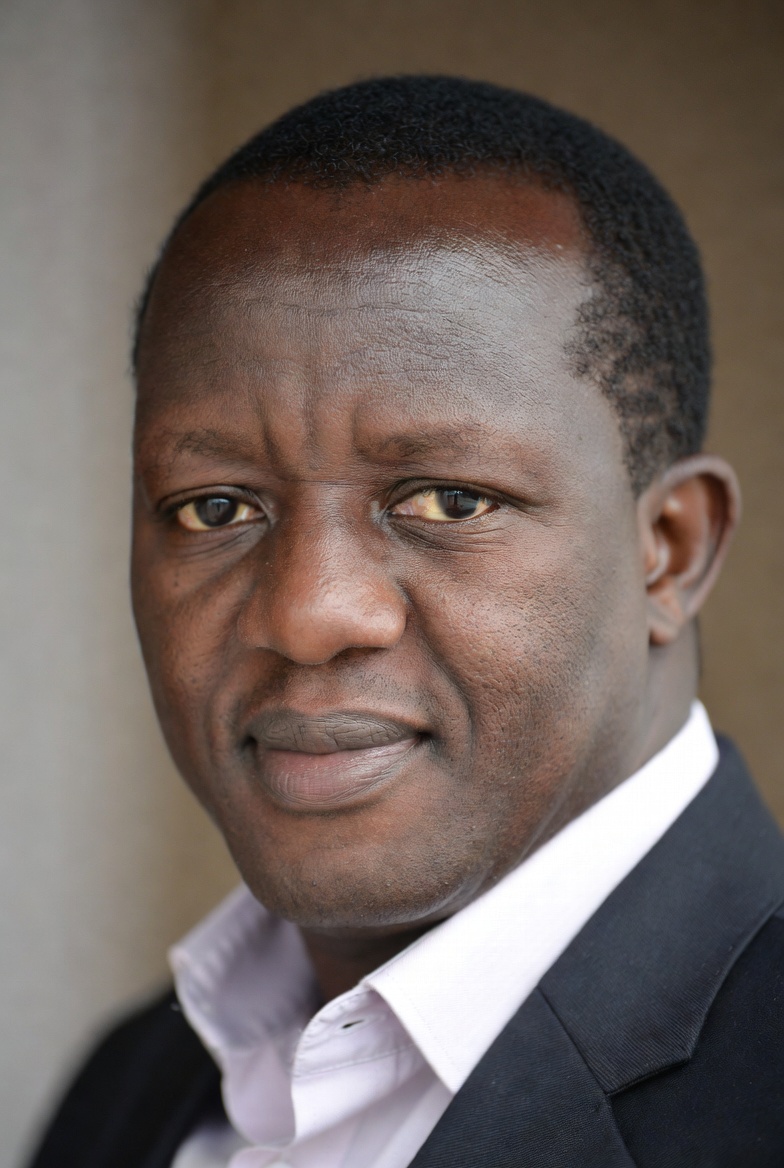
Chairman Kiprono Kittony confirmed the exit in a staff memo dated 1 September 2026. The board thanked Kamal for four years of service. The memo did not state a reason for his departure or his next move.
Habil Waswani, currently Company Secretary and Director of Legal Services, will take over as Acting Group Managing Director and CEO from 15 September 2026. A competitive process for a permanent CEO is already under way and is expected to conclude soon.
How the Resignation Links to the H1 Results
Kamal’s exit lands just days after he fronted Kenya Airways’ H1 2026 investor briefing. On or around 25 August 2026 the airline reported a net loss of KSh 16.08 billion for the six months ended 30 June 2026, up 31.9% from KSh 12.15 billion a year earlier.
The timing is hard to ignore. Kamal had been in the acting role only since mid-December 2025, when he replaced Allan Kilavuka. He presented the half-year numbers himself and spoke publicly about demand, costs, grounded aircraft and the search for a strategic investor. Seven days later the board announced he was leaving.
The board has not linked the resignation to the results. Still, the sequence puts the leadership change squarely after one of the airline’s heaviest recent half-year losses.
The Numbers Kamal Presented
| Metric | H1 2026 | H1 2025 | Change |
|---|---|---|---|
| Net loss after tax | KSh 16.08 billion | KSh 12.15 billion | +31.9% |
| Total revenue / turnover | KSh 81.25 billion | KSh 74.5 billion | +9.1% |
| Operating costs | KSh 91.9 billion | KSh 80.7 billion | +13.8% |
| Operating loss | KSh 10.64 billion | KSh 6.24 billion | Wider |
| Cargo revenue | KSh 8.77 billion | — | +18% |
Revenue rose to the second-highest half-year level on record. Cabin factor improved even as capacity fell about 9%. Cargo helped. Costs rose faster still.
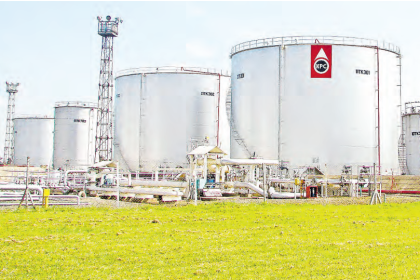
Fuel was the largest single pressure. Jet fuel spending reached about KSh 29 billion in the period, driven by higher prices linked to the Middle East conflict. Fuel took a large share of operating costs. Global shortages of engines and spare parts also kept several Boeing 787 Dreamliners on the ground for long stretches, cutting long-haul capacity just when demand was solid.
Kamal’s own framing in the briefing and follow-up interviews was consistent: demand was not the problem. The airline could not convert that demand into profitable flying because aircraft were unavailable and unit costs were high.
Who Takes Over
Waswani has been at Kenya Airways for more than five years. He holds a Bachelor of Laws from the University of Nairobi, a diploma from the Kenya School of Law, and a Global Executive MBA from USIU in collaboration with Columbia Business School. He brings more than two decades of corporate and commercial legal work at listed companies including National Bank of Kenya, Kenya Re and Diamond Trust Bank.
As Company Secretary he has already signed major governance disclosures for the airline, including the 2025 leadership transition when Kilavuka left and Kamal stepped up. The board is keeping the permanent CEO search open. Waswani’s role is explicitly interim.
What Kamal Leaves Behind
Kamal joined Kenya Airways as Chief Operating Officer in March 2023. He became Acting Group Managing Director and CEO on 16 December 2025 after Kilavuka proceeded on terminal leave. The board previously credited him with helping stabilise operations through the most recent executive change.
His short tenure as acting CEO covered a difficult stretch: elevated fuel, grounded widebodies, capacity shortfalls, and continued work on debt and a strategic investor. In August he told investors the airline was still pursuing capital partners and fleet restoration, including the return of aircraft and engines into service later in 2026.
Whether the H1 loss accelerated the board’s timeline is not stated. What is clear is the sequence: loss announced late August under Kamal’s name, resignation announced 1 September, Waswani in from 15 September, permanent process still running.
Related:Kenya Airways H1 2026 Net Loss Widens to KSh 16.08 Billion Despite 9.1% Revenue Growth
Why the Timing Matters for Investors
Kenya Airways remains majority government-owned and heavily indebted. The half-year loss widened negative equity and kept attention on liquidity, fuel hedges, aircraft availability and the long-running search for a strategic equity partner.
A clean interim handover while a permanent CEO is recruited can matter for that process. Potential investors usually want clarity on who will lead negotiations and execute any capital raise. The board’s public line remains operational reliability, network and fleet optimisation, sustainability, growth and identification of a suitable strategic investor.
For passengers and staff the immediate issue is continuity. Waswani takes the legal and governance background into the top executive seat. The permanent appointment will be the next signal of how the board wants to position the airline for the rest of the turnaround.
Sources
- TechTrendsKE – Kenya Airways acting CEO George Kamal exits after four-year stint (1 September 2026)
- The Star – Aircraft shortages, expensive fuel push KQ losses to Sh16.1bn
- Tuko – Kenya Airways posts KSh 16.08 billion net loss in first half of 2026
- Business Daily – George Kamal on KQ’s plan to return to profit, growth, investor search
- Kenya Airways H1 2026 financial results and investor commentary (revenue KSh 81.25bn, net loss KSh 16.08bn, operating costs KSh 91.9bn)
Resignation details from the board’s 1 September staff memo as reported. H1 figures from the airline’s half-year results released late August 2026. The board has not publicly attributed Kamal’s exit to the results.