









Kenya no longer requires traditional visas for most international visitors. Instead, travellers either enter under an eTA exemption or must obtain an Electronic Travel Authorisation (eTA) online before flying. Visa-free entry does not give the right to work, trade or run a business.
On 6–7 September 2026 the Ministry of Investments, Trade and Industry, led by Cabinet Secretary Lee Kinyanjui, issued a fresh clarification: visa-free entry or eTA exemption only allows you to enter Kenya. Employment, retail trade, hawking or operating a business still requires a work permit or special pass from the Directorate of Immigration Services.
Who Needs What: Two Main Entry Categories
Traditional visas were abolished in January 2024 and replaced by the eTA system. Exemptions have expanded since then.
Category A – Fully Exempt (No eTA, No Fee)
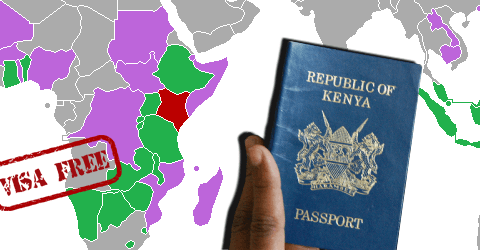
- East African Community (EAC) citizens (Burundi, DR Congo, Rwanda, South Sudan, Tanzania, Uganda): enter with a valid travel document for stays of up to 180 days.
- Eligible African nationals from countries listed by Kenya’s immigration authorities may enter without an eTA for the applicable exemption period.
- Selected non-African countries, including many Caribbean nations and several Commonwealth partners listed on the official portal: generally up to 90 days without eTA.
Always confirm the exact list on the official portal before travel, as bilateral arrangements can change.
Category B – eTA Required
Citizens of the United States, United Kingdom, European Union countries, Canada, China, Japan, India, Australia and most other non-exempt nationalities must apply for an eTA online before departure.
- Official portal: etakenya.go.ke
- Standard fee: USD 30 (plus small bank charges; total often around USD 32–34)
- Processing: usually within 72 hours / 3 working days; apply at least 3 days (preferably 1–2 weeks) before travel
- Travel window: Approved eTA holders must travel within 90 days of issuance; the standard eTA is for a single entry
- No eTA on arrival – airlines can refuse boarding without an approved eTA
Holders of valid Kenyan work permits, permanent residence or re-entry passes are also exempt from the eTA.
What Business Travellers Can and Cannot Do
| Allowed on visa-free / eTA status | Not allowed (requires work permit / pass) |
|---|---|
| Attend meetings, conferences, seminars | Engage in local retail or wholesale trade |
| Explore investment opportunities and site visits | Manage day-to-day operations of a local business |
| Meet partners and sign contracts | Take up employment or paid consulting |
| Tourism and leisure activities | Hawking, market trading or small-scale retail |
Trade CS Lee Kinyanjui has repeatedly warned that some visitors misuse tourist or investor entry status to operate shops, hawk goods or run informal businesses. The government is enforcing compliance. Foreigners found working or trading without the correct permit risk visa revocation, deportation and other penalties.
Permits Needed for Actual Business Activity
If you intend to invest, trade or work in Kenya you need the appropriate authorisation from Immigration:
- Class G – Trade, business or consultancy (investor permit). Typically requires proof of capital of at least USD 100,000 plus company registration and tax compliance.
- Class D – Employment by a Kenyan company (skills not readily available locally).
- Special Pass – Short-term work or business assignments (usually up to six months).
- Class R – Simplified route for EAC citizens.
Applications are handled through the eFNS / Immigration portals. Business registration, KRA PIN, licences and sector-specific approvals remain separate requirements.
Essential Documents for Smooth Entry
- Passport valid for at least six months from the date of entry, with at least one blank page
- Approved eTA (if required) – print or digital copy
- Return or onward flight ticket
- Proof of accommodation (hotel booking or host invitation letter)
- Yellow fever certificate if arriving from or transiting an endemic country
- Invitation letter from a Kenyan company if travelling for business meetings
Customs: personal effects and consumables enjoy a modest duty exemption (commonly cited around USD 500). Commercial samples or equipment may need temporary importation documentation.
Practical Tips for Business Visitors
Apply early, especially in peak seasons (July–October and December–January). Use only the official etakenya.go.ke site – third-party sites often charge extra and can delay approval.
If your trip involves only meetings, due diligence and signing documents, an eTA or visa-free entry is normally sufficient. The moment you start trading, employing staff, managing operations or taking payment for services, you need a permit.
EAC nationals enjoy the longest stays and simplest entry, but they too must still obtain the correct work or business authorisation if they engage in economic activity beyond short visits.
Bottom Line
Kenya’s visa-free and eTA system makes it easier than ever to visit for tourism or short business trips. It does not replace work permits. Foreign nationals who want to trade, invest operationally or work in Kenya must still secure the right Class G, Class D, Special Pass or other authorisation. Recent government statements (September 2026) confirm that enforcement is tightening around informal retail and unauthorised trading.
Always check the latest rules on etakenya.go.ke and the Directorate of Immigration Services before you travel.
Read also:How to Apply for a Kenyan Passport in 2026: Fees, Documents & Process
Frequently Asked Questions
Does Kenya require a visa in 2026?
No. Traditional visas were abolished in January 2024. Most visitors either enter under an eTA exemption or must obtain an Electronic Travel Authorisation (eTA) before travel.
Who is exempt from Kenya’s eTA?
EAC citizens, eligible African nationals listed by Kenya’s immigration authorities, selected Caribbean and Commonwealth countries, plus holders of valid Kenyan work permits or permanent residence. Always confirm the current list on the official portal.
How much does the Kenya eTA cost?
The standard fee is USD 30 (plus small bank charges). There is no eTA on arrival.
Can I work in Kenya with an eTA?
No. An eTA or visa-free entry only allows you to enter the country. Work, employment or paid consulting requires a separate work permit or special pass.
Can foreigners do business in Kenya without a work permit?
No. Running a business, trading, hawking or managing operations requires the correct permit (typically Class G for investors, Class D for employees, or a Special Pass for short assignments).
How long can I stay in Kenya?
EAC citizens may stay up to 180 days. Most other exempt travellers and eTA holders are generally allowed up to 90 days (or the period stated on entry). Exact duration is determined at the port of entry.
Where should I apply for the Kenya eTA?
Only on the official government portal: etakenya.go.ke. Avoid third-party websites.
Sources:
Official Kenya eTA portal;
People Daily – CS Lee Kinyanjui clarification (Sept 2026);
Kenyans.co.ke;
Tuko – eTA exemptions 2026;
Kenya Citizenship and Immigration (Amendment) Regulations;
Directorate of Immigration Services. Rules can change; verify on official portals before travel. This guide is for information only and is not legal advice.