









Applying for a Kenyan passport has become a fully digital process, and knowing exactly what to expect can save you real time and frustration. The entire application starts online, and no walk-ins are accepted without prior eCitizen registration.
This guide covers current fees, the full step-by-step process, required documents, and realistic processing timelines. One important note before you start: passport booklet availability and exact fees can change due to supply issues, so always check the live eCitizen portal for the current options before paying.
Overview: What Changed in 2026
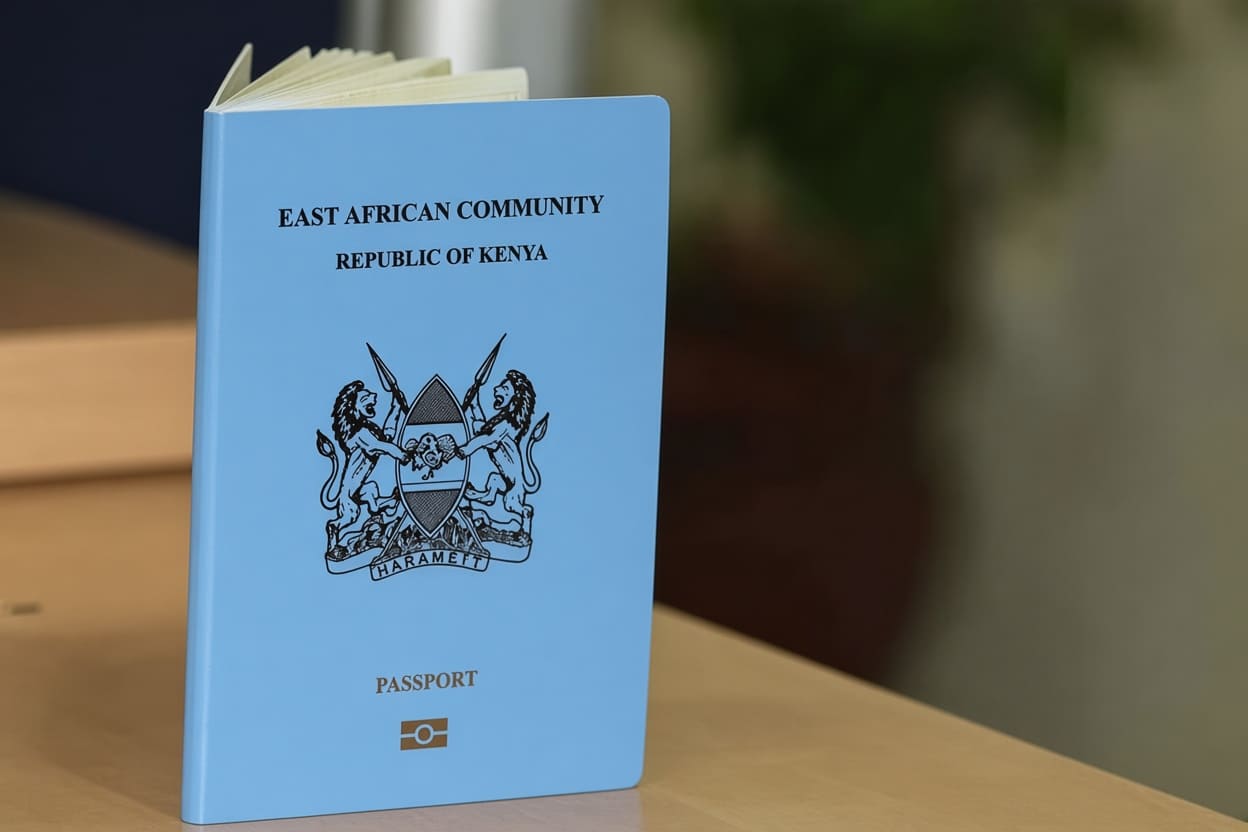
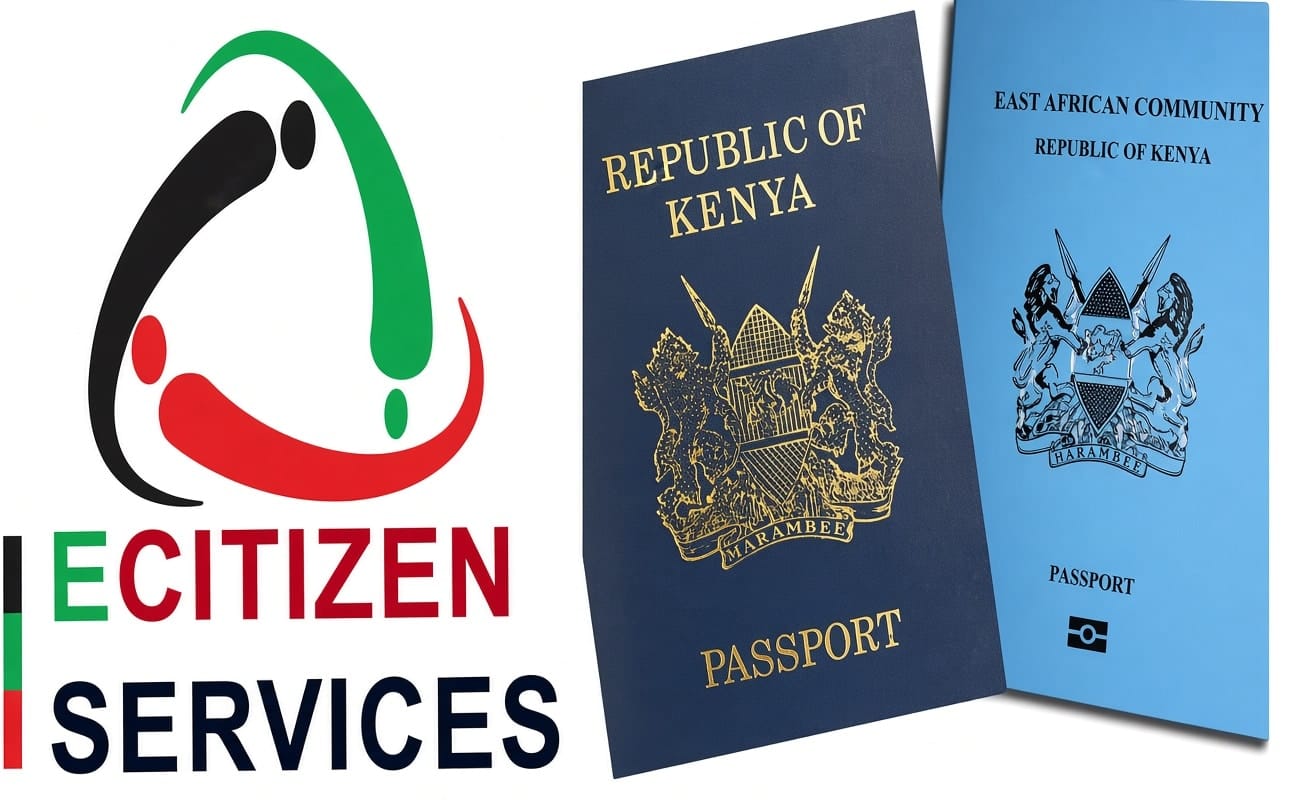
As of early to mid-2026, the eCitizen portal has frequently limited applicants to the 66-page Ordinary C Series booklet after smaller sizes became temporarily unavailable due to stock shortages. Reporting through the year has been inconsistent though, with some sources describing the 34-page and 50-page options as fully phased out, while others noted the 34-page booklet reappearing on the portal at various points as supply issues were resolved.
Given this fluidity, the safest approach is to treat the 66-page option as your most likely available choice, but confirm directly on the eCitizen portal which sizes are actually selectable and what fee applies at the time you apply.
Passport Fees for 2026
| Passport Type / Service | Details | Reported Cost (KES) |
|---|---|---|
| Ordinary Passport (C Series) | 66 Pages | KES 12,500 (some listings show KES 12,050) |
| Diplomatic Passport | 50 Pages | KES 15,050 |
| Mutilated Passport Replacement | To replace a physically damaged passport | KES 20,050 |
| Lost Passport Replacement | To replace a lost passport | KES 20,050 |
| Expedited/Urgent Processing | Where offered, additional fee applies | Confirm current rate on eCitizen; availability varies, especially outside Nairobi |
Note: Fees and available booklet sizes can change without much notice due to supply conditions. Always verify the exact figure on the eCitizen portal before making payment, rather than relying solely on this or any other guide.
Eligibility and Who Can Apply
Any Kenyan citizen holding a valid National ID or Birth Certificate can apply. Minors require a parental consent form and copies of both parents’ identification documents alongside their own birth certificate.
Kenyans living abroad can also apply or renew through their nearest Kenyan embassy or high commission, starting the process online before attending an in-person biometric appointment at the mission.
Step-by-Step eCitizen Application Process
Step 1: Online Application and Payment
- Log into your account on the eCitizen Portal at ecitizen.go.ke
- Navigate to the Directorate of Immigration Services section
- Click on Passport Application and fill out the online form with your personal background, parental information, and next-of-kin details
- Upload your supporting documents, including a scanned National ID, birth certificate, and a recent passport-sized photo with a white background
- Select your payment method, such as M-Pesa or a local debit or credit card, and pay the applicable fee shown at checkout
- Download and print the auto-filled Form 19, your payment invoices and receipts, and the booking slip
Step 2: Book and Attend Your Biometrics Appointment
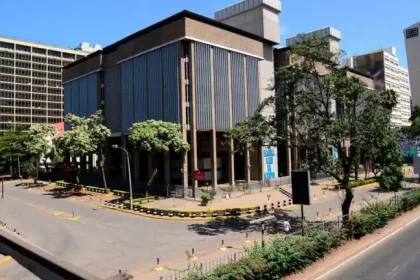
On the same portal, select your preferred Passport Processing Centre, such as Nyayo House in Nairobi, or offices in Mombasa, Kisumu, Eldoret, Nakuru, Embu, Kisii, Kericho, or Bungoma, then pick an available date and time.
Arrive at your chosen center in person for digital photo and fingerprint capture. Walk-ins without pre-booked appointments are not accepted under any circumstances.
Required Documents Checklist
Pack the following original items alongside one photocopy of each for your appointment:
- Printed eCitizen Form 19, signed and dated
- Payment receipts from your eCitizen application
- Original National ID Card
- Original Birth Certificate
- Valid KRA PIN, required by some processing centers for adult applicants
- Three current passport-sized photos, 2×2 inches, with a clear white background and sharp facial features
- A photocopy of your recommender’s ID card
- For renewals: your old passport
- For minors: a Parental Consent Form and both parents’ ID copies
- For lost passports: a police abstract, a sworn affidavit, and a letter explaining the loss
Processing Time
| Application Type | Standard Processing Time |
|---|---|
| First-time application | At least 10 working days after biometric capture (approx. 2-3 weeks) |
| Renewal or replacement | Approximately 5 working days after biometric capture |
These timelines reflect official guidance, though real-world processing has varied. Some applicants report faster turnarounds during quieter periods, while peak travel seasons or booklet supply shortages have occasionally pushed wait times longer than the standard estimate.
Tips for Success
Double-check your photo meets the exact specifications before uploading, since a rejected photo is one of the most common reasons applications get delayed. Fill out your form carefully the first time, as errors in personal or next-of-kin details can trigger unnecessary back-and-forth with immigration staff.
Book your biometric appointment as early as your schedule allows, since popular centers like Nyayo House can fill up quickly during peak travel seasons. Given how often booklet availability and fees have shifted through 2026, it also helps to screenshot your payment confirmation and fee breakdown at the time you pay, in case you need to reference it later.
How to Track Your Application
Once your biometrics are verified, you will receive real-time text and email updates as your application moves through processing. You can also track your status directly through the Posta Kenya passport tracking portal using the tracking number provided on your photo token receipt.
Official Resources
Start your application through the official eCitizen Portal, where you should also confirm current booklet availability and fees before paying. Track your passport status directly through the Posta Kenya tracking system once your biometrics are captured.
Also read:How to Apply for a Birth Certificate on eCitizen in Kenya (2026)
Frequently Asked Questions
How much does a Kenyan passport cost in 2026?
Reported fees for the 66-page Ordinary C Series range between KES 12,050 and KES 12,500 depending on the source and timing. Confirm the exact current fee directly on the eCitizen portal before paying.
Can I still get a 34-page or 50-page passport?
Availability has been inconsistent through 2026 due to booklet supply issues. The 66-page option has been the most consistently available, but check the eCitizen portal directly to see what sizes are currently selectable.
How long does it take to get a Kenyan passport?
First-time applications take at least 10 working days after biometric capture, while renewals and replacements typically take about 5 working days, though this can vary with demand and stock levels.
Do I need to visit an immigration office if I apply online?
Yes, every applicant must attend an in-person appointment at a designated processing center for biometric capture, even though the rest of the application happens online.
Can Kenyans abroad renew their passport without returning home?
Yes, you can start your application on the eCitizen portal and complete biometric capture at your nearest Kenyan embassy or high commission, though processing can take 4 to 8 weeks.
What happens if I lose my passport?
You will need a police abstract, a sworn affidavit, and a letter explaining the loss, alongside the standard KES 20,050 replacement fee.
Conclusion
Getting a Kenyan passport in 2026 means working entirely through the eCitizen portal from application to payment, with only the in-person biometric step requiring a physical visit. Given how much booklet availability and fees have shifted through the year, confirming the current details directly on the portal before you apply remains the single most important step.
Whether you are applying for the first time, renewing, or replacing a lost passport, having every document ready before your appointment is still the best way to avoid unnecessary delays.