






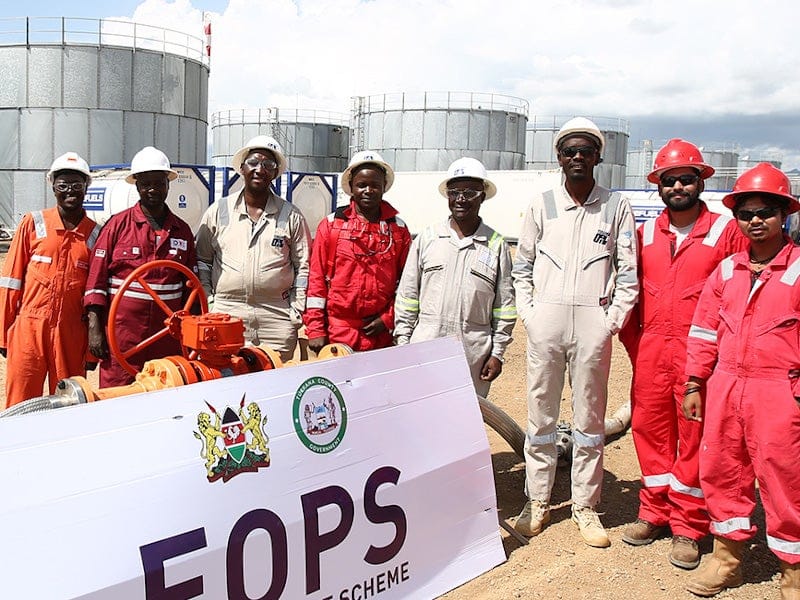
Kenya has been working toward its first commercial oil export for over a decade. That goal just got significantly harder. The National Assembly has wiped out Sh9.84 billion in development funding for the South Lokichar Basin project, and the 2026 export target that the government has been building toward is now hanging by a thread.
The State Department for Petroleum had been allocated Sh30.23 billion for the 2026/2027 financial year under the 2026 Budget Policy Statement. Losing nearly a third of that in one budget decision is not a setback that can be managed quietly. Oil production at scale does not run on goodwill. It runs on money, and a lot of it.
What Actually Gets Hurt by This Cut
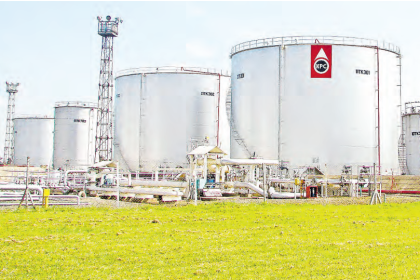
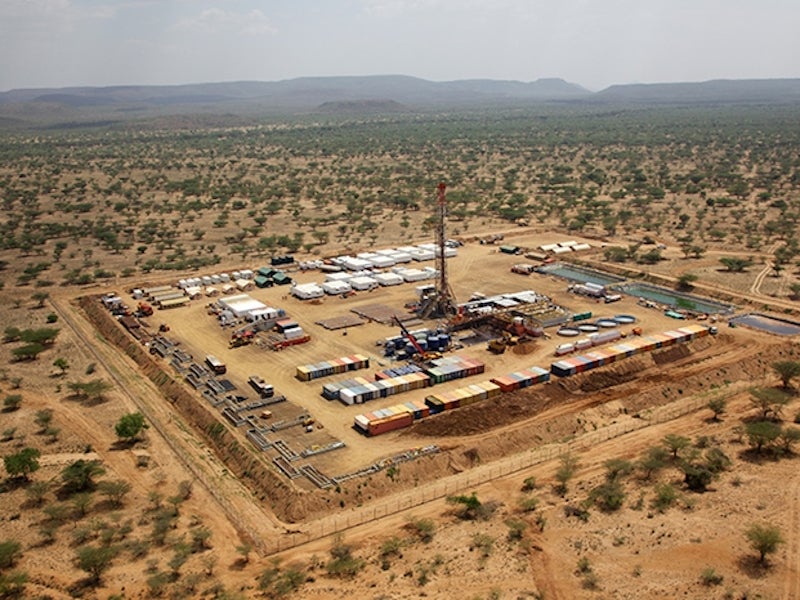
The Sh9.84 billion was not sitting in a discretionary fund waiting to be redirected. It was earmarked for the nuts-and-bolts infrastructure that keeps an oil field operational: water supply, electricity, security, and environmental management across the Turkana project site.
You cannot export oil from a field that lacks functioning support systems. The crude does not move itself. Without this funding, the infrastructure work stalls, and so does everything that depends on it.
The Cooking Gas Programme Takes a Hit Too
This is not just about crude oil. President Ruto’s cooking gas programme, which aimed to put subsidised six-kilogram LPG cylinders into low-income homes and push nationwide cooking gas adoption from 24 percent to 70 percent by 2028, has also lost budget support.
That target was already ambitious. With funding now cut, it moves further out of reach. For families still cooking on charcoal and firewood every day, that is not an abstract policy problem. It is a daily reality that just got harder to fix.
The Kenya-Tanzania Pipeline Dream Is Also Fading
The budget cuts reach further than most people realise. The proposed Kenya-Tanzania natural gas pipeline, which had made it to pre-feasibility stage, is now in doubt after funding was pulled.
Regional infrastructure projects are fragile at the best of times. They need sustained political will and consistent funding to stay alive. Pulling out at pre-feasibility sends a signal to Tanzania and other regional partners that Kenya’s commitment has limits. That kind of confidence, once lost, is hard to rebuild.
Where Does This Leave Kenya’s Oil Story?
The South Lokichar discoveries, operated by Tullow Oil alongside the Kenyan government, genuinely excited people when they were confirmed. The idea of Kenya joining the ranks of African oil exporters felt within reach.
Read also:KRA Lost KSh 9.1 Billion in Two Months After Government Cut Fuel VAT in Half
Since then, it has been one delay after another. Financing gaps, infrastructure challenges, commercial disagreements, and shifting global oil prices have all taken turns pushing the timeline back. This budget cut is the latest and most painful chapter in that story.
There is still a chance that supplementary budget allocations or alternative financing could plug the gap. But right now, Kenya’s first oil export looks less like a 2026 milestone and more like a moving target with no firm landing date in sight.