








The Kenya Revenue Authority has raised the minimum customs valuation benchmark for consolidated 40-foot containers from KSh 2.5 million to KSh 3.2 million. The 28 per cent increase took effect on 20 August 2026 following consultations with stakeholders.
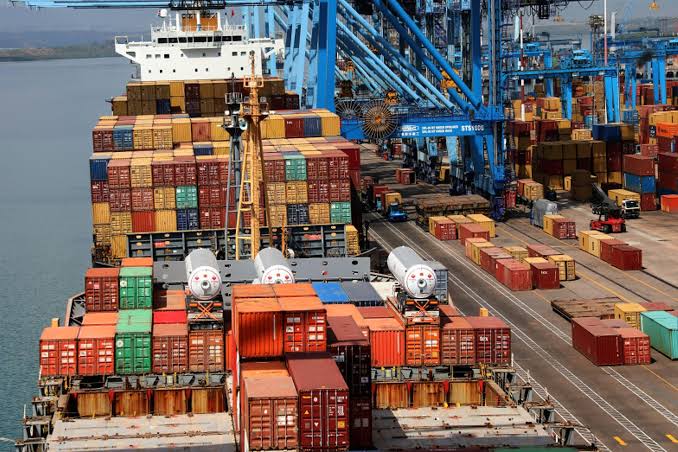
Containers at the Port of Mombasa. KRA has raised the minimum valuation floor for consolidated 40-foot cargo to KSh 3.2 million.
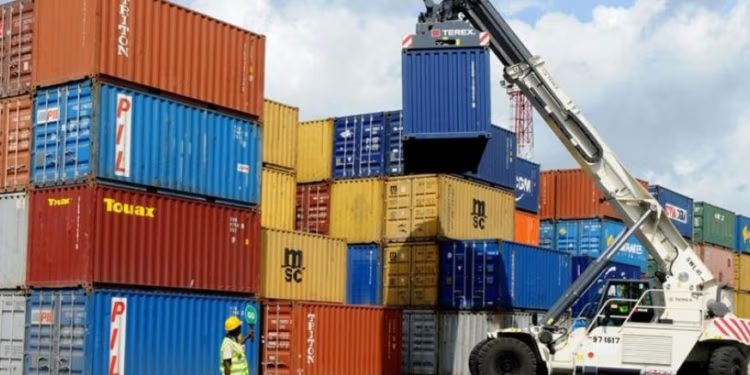
The new figure applies only to general containerised consolidation cargo. Multiple small traders often pool shipments in one 40-foot container to share freight costs. KRA now uses KSh 3.2 million as the minimum reference point when assessing the customs value of such consolidated cargo.
The authority stressed the number is a floor, not a fixed tax. If the real transactional value of goods inside the container exceeds KSh 3.2 million, the importer must declare the higher amount and pay tax on that figure.
Why KRA Moved Now
The previous KSh 2.5 million benchmark had stayed unchanged for nearly six years. KRA said the old benchmark no longer reflected current import values and economic conditions.
Officials cited repeated under-declaration, misclassification and concealment of high-value goods such as smartphones and specialised electronics. Larger importers also allegedly used consolidation arrangements meant for small traders to lower their own tax bills. The authority wants to close those gaps, protect revenue and stop undervalued imports from undercutting tax-compliant local manufacturers.
Commissioner for Customs and Border Control Dr Lilian Nyawanda said a trader who declares correctly should not lose out to one who gains an unfair advantage through undervaluation.
KRA held consultations with the Kenya International Freight and Warehousing Association, small traders, consolidators and other private-sector groups before the change took effect.
How the New Benchmark Works
The KSh 3.2 million figure is a minimum customs valuation benchmark, not a flat tax or a fixed value for every container. Where the actual value of goods is higher than KSh 3.2 million, the importer must declare the higher value and pay the applicable taxes.
The higher benchmark means consignments that would previously have been assessed below KSh 3.2 million may now face a higher customs value and, consequently, higher tax charges.
Read also:Farmers Choice Loses KRA Tax Appeal Over Sausage Ingredient
Trader Reaction
Small traders and MSME groups have criticised the increase, warning that the higher tax base will put pressure on working capital, raise import costs and squeeze businesses that rely on consolidation.
KRA has also reminded traders that compliance does not end at the port. The authority says businesses selling imported goods must meet applicable requirements on business registration, electronic invoicing and declaration of domestic income and taxes.
The new benchmark is now in force. Importers of consolidated cargo should expect the KSh 3.2 million minimum benchmark to affect customs valuation where the applicable value would otherwise fall below that amount.
Sources
- Pulse Kenya – KRA raises customs benchmark for consolidated 40-foot containers
- Tuko – KRA Raises Customs Benchmark from KSh 2.5m to KSh 3.2m
- KBC – KRA raises threshold for containerized cargo to Ksh 3.2M
- KRA media brief, 25 August 2026
Figures based on KRA statements and multiple reports.