







Ordinary Members of Parliament and Senators in Kenya earn the same SRC-set gross salary of KSh 739,600 per month. Despite the common perception that Senators earn more, the SRC places ordinary members of the National Assembly and Senate on the same salary scale. What a particular lawmaker receives beyond the salary can vary depending on committee responsibilities, leadership roles, mileage and other eligible benefits.
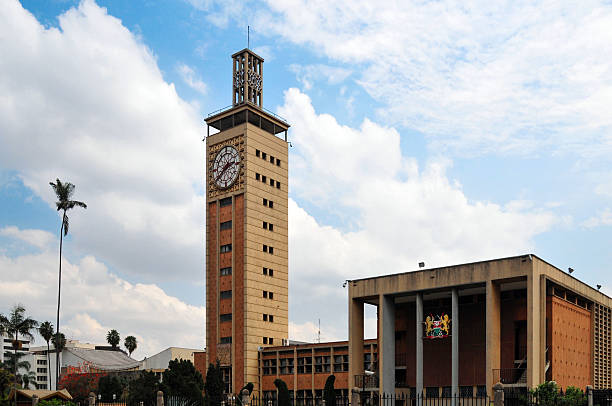
This guide gives a clear, updated picture of the current package, the main allowances, how the Salaries and Remuneration Commission reviews pay, and why the idea that Senators earn more is a myth.
Monthly Gross Salary for Ordinary MPs and Senators
The fixed monthly package set by the SRC for an ordinary Member of the National Assembly or Senator is:
| Component | Amount (KSh) |
|---|---|
| Basic Salary | 443,760 |
| House Allowance | 150,000 |
| Salary Market Adjustment | 145,840 |
| Total Gross Monthly Salary | 739,600 |
Note: This “gross salary” is strictly the basic pay package. It does not include the car maintenance and mileage allowances listed in the subsequent tables.
Deputy Speakers earn a higher gross of KSh 966,690. Majority and Minority Leaders earn KSh 800,019. These higher rates apply equally in both Houses.
Main Allowances and Benefits
In addition to the gross salary, lawmakers receive several allowances and facilities. The key ones are:
| Benefit | Rate / Limit |
|---|---|
| Car Maintenance Allowance | KSh 356,525 per month |
| Airtime Allowance | KSh 15,000 per month (as set out in the SRC remuneration framework and 2026 Regulations) |
| Committee Sitting Allowance (Chairperson) | KSh 15,000 per sitting (maximum KSh 240,000 per month) |
| Committee Sitting Allowance (Vice-Chair) | KSh 12,000 per sitting (maximum KSh 192,000 per month) |
| Committee Sitting Allowance (Member) | KSh 7,500 per sitting (maximum KSh 120,000 per month) |
| Special Parliamentary Duty Allowance | Up to KSh 150,000 per month |
| Motor Vehicle Reimbursement | KSh 7.55 million once per parliamentary term |
| Car Loan | Up to KSh 8 million at 3% interest (as set out in the SRC remuneration framework and Parliamentary Service Commission regulations) |
| Mortgage | Up to KSh 35 million at 3% interest (as set out in the SRC remuneration framework and Parliamentary Service Commission regulations) |
Mileage Allowance: KSh 366,011 per month under the fixed mileage arrangement introduced in 2025. Additional distance-based mileage claims may apply under the applicable SRC rules when a member travels outside their constituency (for MPs) or county (for Senators) for official duties beyond the normal monthly allocation.
From 1 April 2025, MPs and Senators became entitled to the fixed monthly mileage allowance of KSh 366,011. The arrangement also provides for distance-based mileage claims, with the amount varying according to the applicable distance rules.
Motor Vehicle Reimbursement and Concessional Loans
During the parliamentary term, members can access:
- Motor Vehicle Reimbursement: KSh 7.55 million, payable once per parliamentary term for the purchase of a vehicle of engine capacity up to 3000cc for official duties.
- Car Loan: Up to KSh 8 million at a concessional 3 percent annual interest rate (as set out in the SRC remuneration framework and Parliamentary Service Commission regulations).
- Mortgage: Up to KSh 35 million at 3 percent annual interest, subject to the applicable Parliamentary Service Commission mortgage rules and repayment period (as set out in the SRC remuneration framework and Parliamentary Service Commission regulations).
These facilities are administered by the Parliamentary Service Commission.
Medical Cover
Members of Parliament and Senators are provided with an annual medical cover for the member, one spouse and up to five fully dependent children under 25 years, subject to the applicable scheme terms and limits:
- Inpatient: KSh 10 million
- Outpatient: KSh 300,000
- Maternity: KSh 150,000
- Dental and optical: KSh 100,000 each
- Group Life and Personal Accident cover equivalent to three times annual pensionable emoluments
Taxes and Statutory Deductions
Lawmakers are subject to the same statutory deductions as other State officers:
- Income Tax (PAYE): Progressive income tax applies to taxable employment income. The actual amount depends on the member’s taxable remuneration and allowable deductions.
- Social Health Insurance Fund (SHIF): 2.75 percent of gross salary or income as prescribed under the applicable law.
- Affordable Housing Levy: 1.5 percent of gross salary for the employee contribution.
Actual take-home pay varies considerably depending on PAYE, pension contributions, loans, allowances, mileage claims and other deductions. There is no single standard net salary for an MP or Senator.
How the SRC Reviews Salaries
The Salaries and Remuneration Commission reviews and sets remuneration and benefits for State officers every four years. The four-year review cycle is provided for in the SRC framework and was reaffirmed in the Commission’s 2026 regulations.
The review process involves studies and analysis of factors such as labour-market conditions, prevailing economic circumstances, job evaluation, fiscal sustainability and other constitutional and statutory considerations. The Commission then communicates the outcome to the relevant public institutions for implementation and budget planning.
The 2026 SRC Regulations also provide for special reviews in specified circumstances, including issues such as critical or scarce skills and changes in the cost of living. A special review does not replace the regular four-year review cycle.
Once remuneration has been set, the SRC framework provides that it remains applicable unless it is subsequently reviewed and set by the Commission. Parliament does not have the constitutional mandate to unilaterally determine its own remuneration.
Why Many Kenyans Think Senators Earn More
There is a widespread belief that Senators earn higher salaries than MPs because of the title and the perception that the Senate is a more senior House. In reality, the SRC places ordinary Members of the National Assembly and Senators on the same remuneration level. The differences that do exist come from individual factors such as committee responsibilities, leadership positions and eligible claims, not from the House a member sits in.
Related:10 Richest Kenyan Senators 2026: Net Worth Ranked
—10 Richest Kenyan MPs 2026: Net Worth Ranked
Frequently Asked Questions
1. Do ordinary MPs and Senators earn the same salary?
Yes. Both receive the same SRC-set gross monthly salary of KSh 739,600 and broadly the same core benefits.
2. How often does the SRC review the salaries?
Every four years as the regular cycle. Special reviews can take place when necessary, but they do not replace the four-year cycle.
3. What is the current mileage arrangement?
From 1 April 2025, MPs and Senators receive a fixed monthly mileage allowance of KSh 366,011. Additional distance-based mileage claims may apply under the applicable SRC rules when a member travels outside their constituency or county for official duties beyond the normal monthly allocation.
4. Is the KSh 7.55 million motor vehicle reimbursement paid every year?
No. It is paid once per parliamentary term.
5. Who decides the salaries of MPs and Senators?
The Salaries and Remuneration Commission. Parliament cannot unilaterally set its own pay.
This article is based on the current SRC remuneration framework, the 2025 mileage arrangements and Parliamentary Service Commission regulations as of August 2026. Always check the latest Kenya Gazette for any new reviews.
Sources
- SRC (Remuneration and Benefits of State and Other Public Officers) Regulations, 2026, Legal Notice No. 106 of 2026
- SRC remuneration Gazette Notice for the 2024/25 parliamentary remuneration structure
- Citizen Digital – April 2025 report on the new fixed mileage arrangement
- Daily Nation – Fixed mileage allowance reporting (March 2025)
- Parliamentary Service Commission car-loan and mortgage regulations
- The Standard reporting on car maintenance and mileage figures
Last updated: 22 August 2026. Salary and benefit figures are based on the applicable SRC remuneration framework, the 2025 mileage arrangements and Parliamentary Service Commission regulations.