






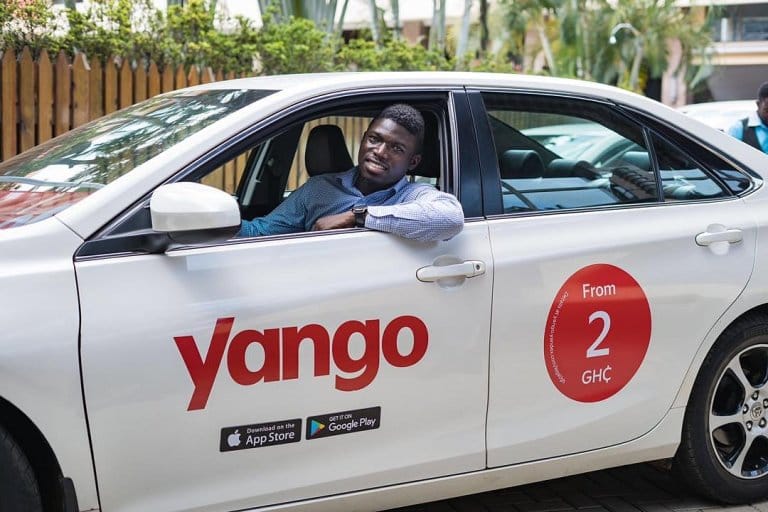
Yango Group is evaluating a formal push into Kenya’s digital taxi market using a Business-to-Business model built around local SME fleet companies rather than signing individual drivers as independent contractors the way Uber and Bolt typically do.

Reporting by CIO Africa on 21 September 2026 says the international tech group, which runs ride-hailing, public transport and delivery services in many markets, would supply the technology platform while Kenyan fleet operators own, manage and run the vehicles.
That framing matters. This is still an entry evaluation and model design story, not confirmation that Yango app trips are already live nationwide in Kenya under the new structure.
How Yango’s B2B Model Differs
On classic platforms, a driver often registers alone, carries vehicle finance and maintenance risk, and works as a contractor on the app.
Yango’s proposed Kenya approach sits local fleet SMEs in the middle. Those companies recruit or employ drivers, manage vehicles and day-to-day operations. Yango provides dispatch technology, partner tools and the ride-hailing infrastructure.
Company representatives have described this as a deliberate B2B framework built around empowering local fleet partnerships rather than a pure driver-gig stack. Internationally, Yango has said its network includes more than 200 local fleet partners, with individual partners often managing teams of about 10 to 12 people.
Why Fleets, Not Solo Drivers
A central argument is vehicle financing. Many individual gig drivers struggle to get bank loans because their income looks informal or irregular. A registered fleet company with books, assets and a business account is in a stronger position to raise asset-backed finance for cars.
That structure can also concentrate maintenance, insurance and compliance in one operator, which platforms like when they want higher vehicle standards and fewer one-off disputes with thousands of solo accounts.
For Yango, working through fleets is also a way to share operational load and, in theory, reduce some of the strike and churn dynamics that hit driver-direct markets.
Price Pressure in Nairobi
Nairobi’s ride-hailing market remains highly price-sensitive. When fares climb, many riders switch back to matatus and other public options. Platforms that only compete on the lowest fare often burn cash and still lose users when prices move.
According to coverage of Yango’s thinking, the group would rather differentiate on vehicle quality, safety and service reliability than run an open-ended race to the bottom on price. Whether that works in Kenya will depend on what passengers actually pay and how dense the fleet becomes in key corridors.
(A specific “60% of users would revert to matatus” figure circulating in some summaries was not independently verified against a published TIFA 2026 table in this check. The broader price-sensitivity point is well established in the market.)
Regulatory Backdrop
Yango’s interest lands in a tense regulatory season for digital taxis.
In early September 2026, the High Court blocked enforcement of the 18 percent commission cap that limited how much platforms could take from trip earnings under the 2022 digital taxi rules. The decision gave platforms temporary relief on that ceiling and drew pushback from driver representatives who want stronger protection on commissions and fares.
Justice Roselyne Aburili’s ruling left parts of the framework in flux, with the government given time to revisit public participation and impact assessment on key provisions. Safety and verification rules were treated carefully so the sector would not collapse overnight.
Any new entrant, including Yango, will still need to fit Kenyan licensing, NTSA and county requirements for commercial passenger vehicles, whatever B2B model it uses.
What It Takes to Become a Yango Fleet Partner
Yango’s public partner programme materials set out standard corporate requirements for fleet partners. Exact Kenya terms, if and when the market goes live, should be confirmed with Yango directly. Typical criteria include:
1. Corporate and legal standing
- A legally registered company (not an unregistered individual driver acting as “fleet partner”)
- A business bank account for automated payouts
- Relevant transport and commercial licences for the fleet you operate in Kenya
2. Fleet and infrastructure
- An existing fleet often cited at 10 or more vehicles on Yango partner pages
- Physical footprint such as office space, a garage or mechanical workshop
- Vehicles that meet the platform’s quality, age and safety standards
Yango’s global partner messaging also stresses support on funding introductions, vehicle sourcing and day-to-day fleet tools once a partner is onboarded. Some materials note that partners may grow by attaching compliant owner-drivers under a fleet management account, subject to local rules and Yango’s contract.
3. Typical onboarding steps
- Submit an application on the Yango partner programme page
- Take a consultation call with a Yango partner manager
- Submit company, vehicle and insurance documents for verification
- Sign the partner agreement and activate access to fleet management software and ride requests
Mobile: Swipe left / right → ←
| Requirement | What Yango partner materials typically ask |
|---|---|
| Legal form | Registered company with bank account |
| Fleet size | Often 10+ vehicles |
| Premises | Office, garage or workshop |
| Yango’s role | Technology, dispatch tools, partner support |
| Partner’s role | Own/manage fleet, drivers, local operations |
← Swipe on mobile →
What This Means for Uber, Bolt and Drivers
If Yango proceeds, competition would expand beyond another driver-signup app. Fleet-heavy partners could change how cars are financed, branded and maintained. Existing platforms already work with some partner fleets; Yango is pitching the SME layer as the core design, not an add-on.
Drivers should read any future Yango contract carefully: pay splits, who owns the customer relationship, insurance liability and commission between fleet owner and driver can differ sharply from a direct platform account.
Passengers will care about fare levels, wait times and car quality. Price-sensitive Nairobi users will only stick if service is reliable without matatu-level pricing every trip.
Read also:Weego Kenya | Ride-Hailing App Nairobi Contacts, Download & Services 2026
Bottom Line
Yango is exploring Kenya with a B2B fleet-partner model: local SMEs run the cars and drivers; Yango runs the tech. The pitch is better vehicle finance for organised fleets, quality differentiation in a price-sensitive market, and less direct exposure to solo-driver gig friction.
The idea is public; full commercial launch details for Kenya are still subject to Yango’s go-to-market decisions and local regulation. Fleet owners who want in should watch official partner channels, keep company and PSV paperwork clean, and treat current “10+ vehicles / registered company” lists as the global template until Kenya-specific terms are published.
Sources:
CIO Africa – Yango eyes Kenya ride-hailing market with SME fleet model (21 September 2026);
Yango – Apply to work with Yango taxi partners;
Business Daily – High Court blocks 18pc commission cap (2 September 2026);
Kenyans.co.ke – High Court blocks enforcement of 18% commission cap.
This article is for information only and is not legal, investment or partnership advice. Confirm all partner terms with Yango and applicable Kenyan transport regulators.