







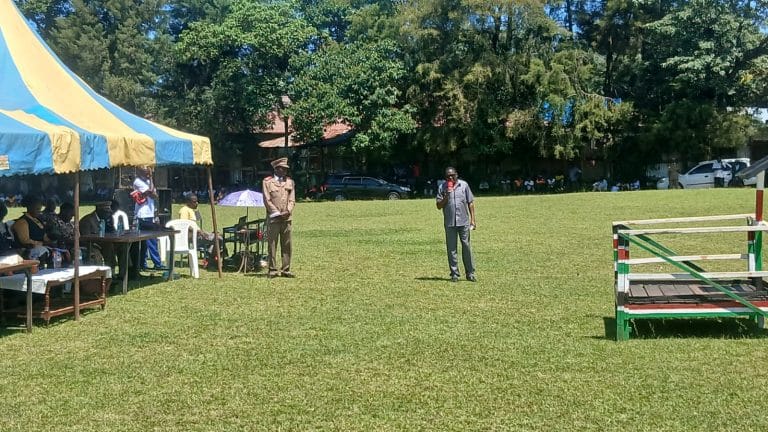
The announcement was made at Hobunaka Grounds in Luanda Sub County, where members of the Coffee Plantation Committee gathered with local residents to present the programme’s details. The message was straightforward: coffee farming is coming to more parts of Vihiga, and farmers who register now will be first in line for seedlings once distribution begins.
What the Programme Is Offering
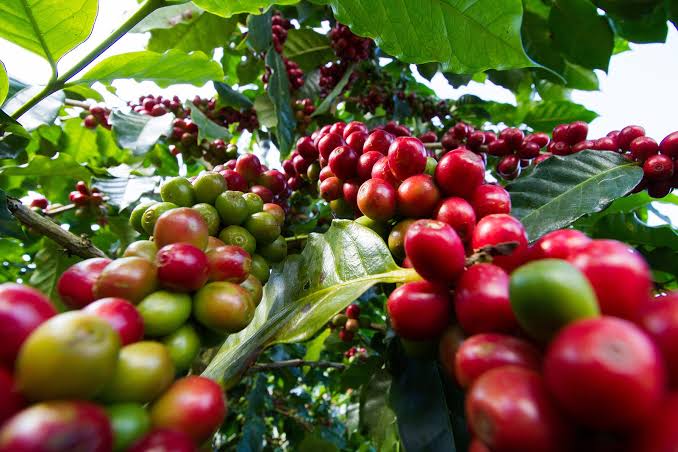
The committee has set aside approximately 17,000 coffee seedlings for distribution to farmers who register and qualify under the initiative. That is a substantial number for a county that is still building its coffee farming base, and it signals a serious commitment to getting the crop established across multiple households rather than concentrating it among a handful of early adopters.
To participate, farmers are required to dedicate at least a quarter-acre of land to coffee cultivation. Committee representative Aineya Alexander said that figure was arrived at through direct consultation with farmers, who agreed it was a practical and manageable commitment for most households. It is enough land to produce a meaningful harvest without being so large that it pushes out other food and income crops that families depend on.
How to Register
Registration for the programme is open and comes with a fee of Sh300, payable through Paybill Number 400200 using Account Number 1142840. The fee is modest, clearly designed to be accessible rather than restrictive, while still ensuring that the people who sign up are genuinely committed to participating.
Farmers who need help with the registration process or have questions about eligibility have been directed to their local chiefs’ offices. Area chiefs are actively involved in the programme’s rollout and are working alongside the committee’s implementation team to guide farmers through the process. Chief Irene Ombima, who sits on the committee itself, was specifically acknowledged for her role in connecting farmers to information about the initiative.
The Push to Join Cooperatives
One of the stronger recommendations coming out of the Luanda meeting was the call for farmers to either join existing registered coffee cooperatives or form new ones before applying. That is not a bureaucratic requirement for its own sake. Cooperatives give smallholder farmers collective bargaining power, shared access to processing facilities, and better visibility in the market than individual farmers working alone could ever achieve.
Also read:How Kirinyaga Became Kenya’s Gold Standard for Coffee Farming
The experience of counties like Kirinyaga, which has built one of Kenya’s most successful cooperative coffee models, shows clearly that organisation at the farmer level is what separates counties that get good prices from those that produce good coffee but still earn poorly. Vihiga’s committee appears aware of that lesson and is trying to build the cooperative foundation from the start rather than retrofitting it later.
Why Coffee Makes Sense for Vihiga
Vihiga is a densely populated county with relatively small farm sizes, which makes the choice of cash crop particularly important. Farmers need crops that deliver high value per unit of land rather than relying on volume. Coffee, when properly managed and marketed, fits that profile well. It is a perennial crop that produces income for decades once established, requires less land than many alternatives to be financially worthwhile, and benefits from Kenya’s strong international reputation as a producer of high-quality arabica beans.
The county’s climate and elevation also support coffee cultivation, conditions that not every part of Kenya can claim. Getting the crop established now, while support structures and inputs are being made available, gives Vihiga farmers a window that may not always be open.
Broader Ambitions Behind the Initiative
Leaders who attended the Luanda meeting expressed confidence that the coffee programme could be a genuine catalyst for economic change in the county. Employment, household income, and long-term agricultural development were all mentioned as expected outcomes if the initiative scales successfully.
Those ambitions are achievable, but they depend on execution. Getting seedlings into the ground is the first step. Ensuring those seedlings are planted correctly, maintained through the years before they reach full production, and eventually connected to reliable buyers and fair markets is the harder and more important work. The committee’s emphasis on cooperative organisation and structured registration suggests an awareness of that longer journey.
Farmers in Vihiga who want to be part of this programme are encouraged not to wait. Registration periods for initiatives like this tend to close faster than expected, and the 17,000 seedlings on offer will be allocated to those who qualify first. Visiting the nearest chief’s office is the simplest way to get started.